
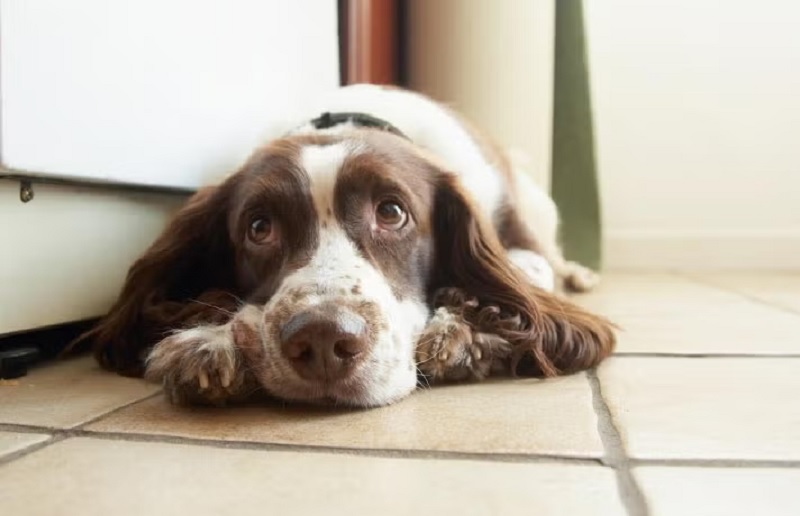
Bathing your pet can often feel like a daunting task, filled with slippery surfaces, unpredictable movements, and the potential for a soggy mess. However, with the right approach and a bit of preparation, you can transform bath time from a stressful chore into a positive experience for both you and your furry friend. This guide will provide you with practical steps to make bathing your pet a breeze.
1. Gather Your Supplies
Before you even think about running the water, make sure you have all necessary supplies within reach. This will help you avoid leaving your pet unattended during the bathing process. Here’s what you’ll need:
- Pet Shampoo: Choose a gentle, pet-specific shampoo. Avoid human shampoos, as they can disrupt the pH balance of your pet’s skin. If your pet has sensitive skin or allergies, consult your veterinarian for recommendations.
- Towels: Have several absorbent towels ready to dry your pet after the bath. Microfiber towels are particularly effective.
- Brush: A slicker brush can help detangle any knots in your pet’s coat before bathing, making the process easier.
- Non-slip Mat: Place this in your tub or sink to prevent slipping and provide a sense of security for your pet.
- Cup or Hose: For rinsing your pet, have a cup or a handheld showerhead available. A gentle spray is preferable.
- Treats: Keep some treats nearby to reward your pet during and after the bath, reinforcing positive behavior.
2. Choose the Right Location
Select a bathing location that’s comfortable for both you and your pet. For small dogs or cats, a sink may work well, while larger breeds might be better suited for a bathtub. Ensure the area is warm, free from drafts, and has easy access to water. Lay down the non-slip mat to prevent your pet from sliding around, which can help them feel more secure.
3. Prepare Your Pet
Preparation is key to a smooth bathing experience. Start by brushing your pet’s coat to remove loose hair and tangles. This step is especially important for long-haired breeds, as it helps reduce mats that can become problematic when wet.
Next, let your pet explore the bathing area. Allow them to sniff around and get comfortable. If they seem anxious, consider spending a few moments simply playing or offering treats in the space to create positive associations.
4. Make Bathing Enjoyable
When you’re ready to start, approach the bath with a calm demeanor. Your pet can sense your anxiety, so stay relaxed. Use a soothing voice to reassure your furry friend throughout the process.
Begin by gently wetting your pet’s coat with lukewarm water. Avoid using hot water, as it can be uncomfortable and even harmful to your pet. If using a cup, pour water from the neck down, avoiding the head initially. For dogs, consider using a handheld showerhead for more control and a gentler spray.
5. Apply Shampoo Carefully
Once your pet is sufficiently wet, it’s time to apply shampoo. Use a small amount, starting from the neck and working your way down. Massage the shampoo into their coat, ensuring you avoid their eyes, ears, and mouth.
For pets that are nervous about getting water on their faces, consider using a damp cloth to wipe down their face instead of pouring water directly over it. This way, they can still get clean without the stress.
6. Rinse Thoroughly
Rinsing is crucial; leftover shampoo can irritate your pet’s skin. Use the same technique as when you applied the shampoo—starting at the neck and moving downwards. Make sure the water runs clear, indicating that all shampoo has been removed.
If your pet enjoys water, consider gently using a handheld showerhead to make rinsing more enjoyable. Be attentive and ensure your pet is comfortable throughout this stage.
7. Drying Your Pet
After rinsing, it’s time to dry off your pet. Use the towels you prepared to gently blot their coat, absorbing as much water as possible. For pets that tolerate it, a blow dryer on a low, cool setting can help speed up the drying process. Keep it at a distance and constantly move it around to avoid overheating any one area.
If your pet is particularly anxious about the dryer, stick with towels and let them air dry in a warm, draft-free area.
8. Reinforce Positive Behavior
After the bath, reward your pet with treats and praise. This positive reinforcement will help them associate bath time with pleasant experiences. If your pet enjoyed the bath, consider making it a regular routine, as consistency can reduce anxiety over time.
9. Monitor for Issues
Post-bath, take a moment to inspect your pet’s skin and coat for any signs of irritation, parasites, or abnormalities. Regular baths can help you spot issues early on, making it easier to address them with your veterinarian if necessary.
10. Make It a Routine
Creating a regular bathing schedule—typically every 4 to 6 weeks, depending on your pet’s breed and lifestyle—can help reduce stress over time. Familiarity with the process will help your pet feel more comfortable, making each bath easier than the last.
By following these steps, you can make bath time a stress-free and enjoyable experience for both you and your pet. With a little preparation, patience, and positive reinforcement, bathing your furry friend can become a delightful bonding activity rather than a battle. Happy bathing!

 Pet News Blog