
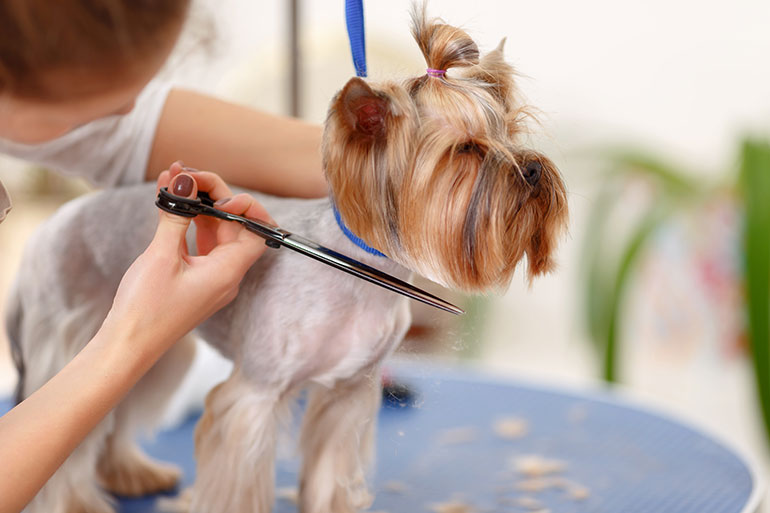
Grooming your pet at home is not just a means of maintaining cleanliness; it’s a wonderful opportunity to bond with your furry friend. Regular grooming can improve your pet’s health and appearance, reduce shedding, and help you spot any potential health issues early on. Whether you have a dog, cat, or another furry companion, this guide will walk you through the essentials of pet grooming at home.
1. Gather Your Grooming Supplies
Before you start, it’s essential to have the right tools on hand. Depending on your pet’s breed and coat type, you may need different grooming supplies:
- Brushes and Combs: A slicker brush is great for removing loose hair and tangles in long-haired pets, while a bristle brush works well for short-haired breeds. A metal comb can help you reach knots and check for parasites.
- Nail Clippers: Choose a clipper that suits your pet’s size. Guillotine-style clippers are popular for dogs, while scissor-type clippers may be better for cats.
- Shampoo: Use a pet-specific shampoo that’s gentle on their skin. Avoid human shampoos, as they can disrupt the pH balance of your pet’s skin.
- Towels: A few soft towels will help dry your pet after a bath.
- Ear Cleaner and Cotton Balls: To keep your pet’s ears clean, an ear cleaner made for pets and cotton balls are necessary.
- Pet Toothbrush and Toothpaste: Dental care is vital; use products specifically designed for pets.
Having these supplies ready will make the grooming process smoother and more efficient.
2. Choose the Right Time and Place
Pick a quiet, comfortable area where you and your pet can focus on grooming without distractions. Choose a time when your pet is relaxed; after a walk or playtime might be ideal. Ensure the space is well-lit and equipped with a non-slip surface to keep your pet safe.
3. Start with Brushing
Brushing is one of the most important aspects of grooming. It helps remove dirt, loose fur, and debris, and can also reduce shedding.
- For Dogs: Start from the head and work towards the tail, using short, gentle strokes. Pay extra attention to areas prone to mats, such as behind the ears, under the legs, and around the tail. If you encounter a mat, use a detangling spray and work it out gently.
- For Cats: Use slow, gentle strokes, particularly in areas they enjoy being petted. Many cats appreciate a good brushing, but some might be more sensitive. Let your cat sniff the brush first to reduce anxiety.
4. Bathing Your Pet
Bathing should not be overly frequent, as it can strip natural oils from the skin. However, when it’s necessary, here’s how to do it effectively:
- Preparation: Gather your supplies, including shampoo, towels, and a non-slip mat for the tub. Brush your pet beforehand to remove loose hair and mats.
- Bathing Process: Use lukewarm water to wet your pet’s fur, avoiding the eyes and ears. Apply a small amount of shampoo, lather gently, and rinse thoroughly. Ensure no shampoo remains, as it can irritate the skin.
- Drying: After the bath, wrap your pet in a towel to absorb excess water. If your pet is comfortable with it, you can use a hairdryer on a low, cool setting to dry them. Always supervise to prevent overheating.
5. Nail Trimming
Keeping your pet’s nails trimmed is crucial for their comfort and health.
- Technique: Hold your pet’s paw gently and press the pad to extend the nail. Identify the quick (the pink area in light-colored nails) and avoid cutting it, as it can bleed. For dark nails, trim small amounts until you see a darker area indicating the quick.
- Frequency: Trim nails every 3-4 weeks, depending on your pet’s activity level. If your pet is resistant, consider breaking the process into smaller sessions.
6. Ear Cleaning
Regular ear cleaning can prevent infections and keep your pet comfortable.
- How to Clean: Use a pet-safe ear cleaner and soak a cotton ball. Gently wipe the outer ear, avoiding the ear canal. If you see excessive wax or debris, consult your veterinarian before proceeding further.
7. Dental Care
Dental health is vital for your pet’s overall well-being.
- Brushing: Aim to brush your pet’s teeth at least a few times a week using pet-specific toothpaste. Start slowly, allowing your pet to taste the toothpaste, and gradually work up to brushing.
- Dental Chews: Consider incorporating dental chews that can help reduce plaque and tartar buildup.
8. Keep a Routine
Establishing a grooming routine is beneficial for both you and your pet. Regular grooming sessions will help your pet become accustomed to the process, making it easier and more enjoyable over time. Tailor your routine to your pet’s needs, considering factors such as coat type, activity level, and season.
By following these steps, you can maintain your pet’s hygiene and well-being from the comfort of your home. Regular grooming not only promotes a healthy coat and skin but also strengthens the bond between you and your furry companion. Happy grooming!

 Pet News Blog