
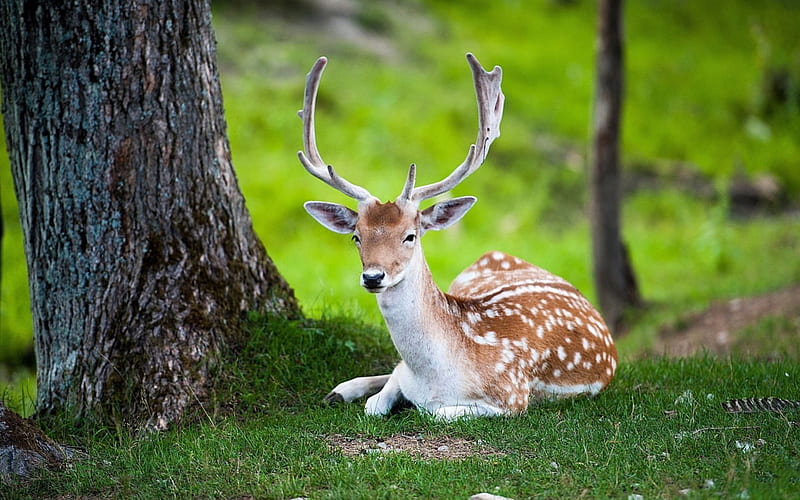
Deer are some of the most graceful and widely recognized animals in the world, captivating both nature enthusiasts and casual observers alike. With over 90 species belonging to the Cervidae family, these animals are found across continents, each adapted to its unique habitat. This article delves into the fascinating world of deer, exploring their biology, behavior, habitat, and ecological importance.
Understanding Deer Biology
Deer exhibit remarkable physical traits that contribute to their survival. One of the most notable features is their antlers, which are unique to male deer (bucks). These antlers are composed of bone and grow in cycles, typically shedding annually. The growth of antlers is influenced by factors such as genetics, age, and nutrition, making them a crucial aspect of deer biology. Female deer (does) do not grow antlers but are similarly built, featuring long legs and a slender body designed for speed and agility.
Deer are ruminants, meaning they possess a specialized digestive system with four stomach compartments. This adaptation allows them to efficiently process fibrous plant material, which constitutes their primary diet. They consume a variety of vegetation, including grasses, leaves, fruits, and nuts, depending on seasonal availability. This herbivorous diet not only sustains them but also affects the ecosystems they inhabit, as their grazing influences plant community dynamics.
Behavioral Patterns
Deer are known for their social structures and behaviors, which vary significantly among species. For example, white-tailed deer often form small groups, particularly females and their young. In contrast, mule deer may be more solitary or form loose herds. During the breeding season, known as the rut, male deer exhibit heightened aggression as they compete for mates. This period is marked by vocalizations, displays of strength, and ritualized combat involving their antlers.
Deer are primarily crepuscular, meaning they are most active during dawn and dusk. This activity pattern helps them avoid predators while foraging. Their keen senses, particularly sight and hearing, play vital roles in their survival. Deer have large eyes positioned on the sides of their heads, granting them a broad field of vision. This adaptation is crucial for detecting movement in their surroundings.
Habitat and Global Distribution
Deer inhabit a diverse range of ecosystems, from dense forests to open grasslands and even mountainous regions. Each species is adapted to its environment. For example, the reindeer, or caribou, thrives in cold Arctic climates, sporting thick fur and hooves designed for traversing snow. On the other hand, species like the axis deer flourish in warmer climates, showcasing striking coat patterns that provide camouflage in their habitats.
The global distribution of deer species is extensive. In North America, white-tailed and mule deer are commonly found, while Europe boasts the presence of roe and red deer. In Asia, species like the sika deer and the axis deer highlight the continent’s diversity. This wide distribution underscores the importance of conservation efforts, as habitat loss and fragmentation pose significant threats to many deer populations.
Ecological Role
Deer play a crucial role in their ecosystems, acting as herbivores that help shape plant communities. By browsing on young shoots and foliage, they prevent certain plant species from dominating the landscape, promoting biodiversity. Their feeding behavior can enhance habitat quality for other species, as the disturbance they create allows new plants to flourish.
Moreover, deer are an essential food source for larger predators, such as wolves, bears, and mountain lions. This predator-prey dynamic is vital for maintaining ecological balance. Healthy deer populations support healthy predator populations, which in turn helps regulate deer numbers and prevent overgrazing.
Cultural Significance
Throughout history, deer have held significant cultural value in many societies. Indigenous peoples often view deer as symbols of grace and strength, incorporating them into their spiritual practices and folklore. The connection between humans and deer is reflected in art, literature, and mythology, where these animals are celebrated for their beauty and mystique.
Hunting has long been a traditional practice associated with deer. It provides not only sustenance but also materials for clothing and tools. In modern times, regulated hunting is often used as a management tool to maintain healthy deer populations and reduce overpopulation in certain areas. Furthermore, deer attract wildlife enthusiasts and photographers, contributing to ecotourism and local economies.
Conservation Challenges
Despite their adaptability, deer face numerous challenges in the contemporary world. Urbanization and habitat destruction pose significant threats, as expanding human populations encroach on deer habitats. This encroachment often leads to conflicts between humans and wildlife, particularly when deer venture into suburban areas in search of food.
Additionally, diseases such as Chronic Wasting Disease (CWD) present serious concerns for deer populations. This neurological disease affects the brain of infected animals, leading to severe health issues and often resulting in death. Effective management and conservation strategies are vital for addressing these challenges and ensuring the survival of deer populations.
Appreciating the Deer
Deer are more than just elegant creatures that grace our landscapes; they embody the intricate relationships within ecosystems and human cultures. Their adaptability, beauty, and ecological importance remind us of the delicate balance of nature. By understanding and protecting these magnificent animals, we contribute to a healthier environment and a more sustainable future for all living beings.

 Pet News Blog