
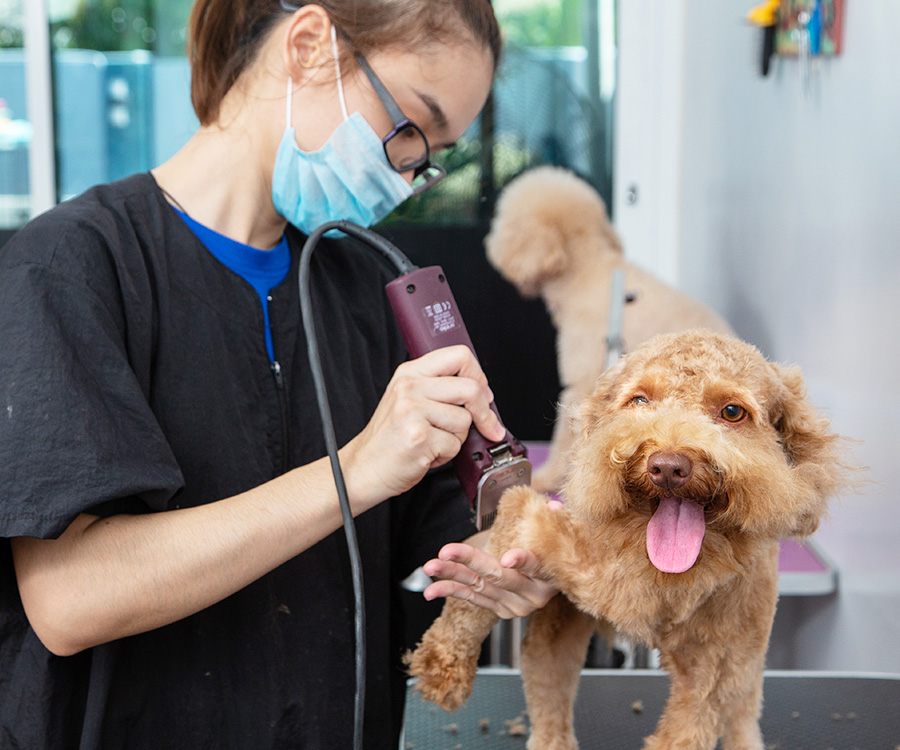
Grooming is an essential part of pet care that goes beyond simple aesthetics. It plays a crucial role in your pet’s health and comfort throughout the year. As seasons change, so do the grooming needs of your furry companions. By adapting your grooming routine to suit each season, you can ensure your pet remains comfortable, healthy, and happy all year long. Here’s how to adjust your grooming practices as the seasons shift.
Spring: Shedding and Allergies
As winter fades, many pets start shedding their winter coats. This is particularly true for double-coated breeds that develop a thicker undercoat for warmth. Spring grooming focuses on managing shedding and dealing with allergies.
Shedding Control
- Regular Brushing: Increase the frequency of brushing to help remove loose fur. Use a slicker brush for long-haired pets and a bristle brush for short-haired ones. Daily brushing can help minimize fur around your home.
- De-shedding Tools: Consider investing in a de-shedding tool, which can effectively remove excess undercoat without damaging the top layer of fur.
Allergy Management
- Bathing: Spring also brings pollen and other allergens. Regular baths using a gentle, hypoallergenic shampoo can help soothe your pet’s skin and reduce itching.
- Wipe Down: After outdoor activities, wipe your pet’s paws and fur with a damp cloth to remove pollen and dirt.
Summer: Keeping Cool and Fresh
Summer heat can be uncomfortable for pets, especially those with thick coats. Your grooming routine should focus on keeping them cool and preventing matting.
Coat Maintenance
- Regular Grooming: Continue frequent brushing to prevent mats, especially in long-haired breeds. Use tools suited for your pet’s coat type to keep it manageable and cool.
- Trim or Clip: Consider a summer haircut for breeds that are prone to overheating. Consult a professional groomer about appropriate styles that will help your pet stay cool while maintaining a healthy coat.
Hydration and Sun Protection
- Hydration: Always ensure your pet has access to fresh water. Increased temperatures mean increased hydration needs.
- Sun Protection: For pets with light-colored or thin coats, consider using pet-safe sunscreen on exposed areas. Products designed specifically for animals can protect against harmful UV rays.
Fall: Preparing for Winter
As temperatures begin to drop, it’s time to prepare your pet’s coat for the colder months ahead. Fall grooming should focus on maintenance and transition.
Coat Care
- Brushing Routine: Maintain a consistent brushing schedule to prevent matting as pets begin to grow their winter coats.
-
Check for Pests: Fall is a time when fleas and ticks can still be a problem. Make sure to check your pet for any signs of parasites during grooming sessions.

 Pet News Blog