
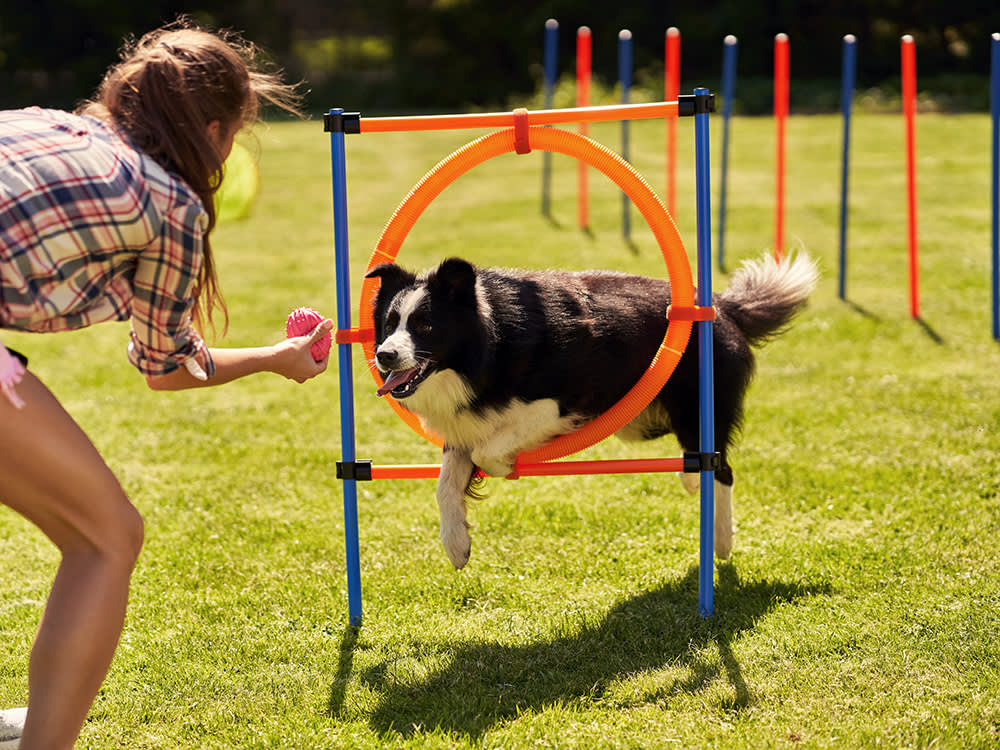
Training your dog is a fundamental responsibility that not only enhances the quality of life for both you and your furry friend but also fosters a deep and lasting bond. Whether you’re welcoming a playful puppy or working with a rescue dog, effective training techniques can transform behavior and ensure that your dog is a delightful addition to your home. This article explores essential training methods, common challenges, and valuable tips to make your training experience both successful and enjoyable.
The Significance of Dog Training
Training your dog serves multiple purposes. It promotes safety, encourages good manners, and enhances communication between you and your pet. A well-trained dog is generally more confident and less prone to anxiety, as they understand what is expected of them. Additionally, a dog that responds reliably to commands is much safer in various environments, helping to prevent accidents and misunderstandings.
Essential Training Techniques
Different dogs respond to different training methods. Understanding the most effective techniques can set you on the right path.
1. Positive Reinforcement
Positive reinforcement involves rewarding desirable behaviors to encourage their repetition. This technique builds a trusting relationship and creates a positive learning environment. Rewards can include treats, praise, or playtime.
For instance, when teaching the command “sit,” say the command clearly and guide your dog into position. Once they sit, reward them immediately with a treat and lots of praise. Over time, your dog will learn to associate the command with the action and the reward, making it more likely to obey in the future.
2. Clicker Training
Clicker training is a specific form of positive reinforcement that employs a small device to make a distinct clicking sound at the moment your dog performs a desired behavior. This technique allows for precise timing, which is crucial for effective learning.
To use a clicker, first, ensure your dog understands that the click sound means a reward is coming. Begin by clicking and treating your dog for simple behaviors, like sitting or lying down. As your dog becomes familiar with the clicker, you can gradually introduce new commands, reinforcing good behavior with the click and a treat.
3. Obedience Training
Obedience training is fundamental for all dogs, regardless of age. This type of training focuses on teaching basic commands, such as “come,” “stay,” “down,” and “heel.” Establishing a solid foundation in obedience helps in various situations, from walks to playdates.
Consistency is vital when implementing obedience training. Use the same verbal commands and hand signals for each command to avoid confusing your dog. Short, regular training sessions—about 5 to 10 minutes—are more effective than longer, infrequent sessions, as dogs have limited attention spans.
Addressing Common Behavioral Issues
Even well-trained dogs can develop behavioral issues. Recognizing the root causes is the first step to addressing these challenges effectively.
1. Excessive Barking
Barking can be a natural behavior, but excessive barking may stem from anxiety, boredom, or a need for attention. To manage this, identify the trigger. For instance, if your dog barks at people passing by, redirect their attention with a toy or treat. Teaching the “quiet” command can also help; reward your dog when they stop barking on command.
2. Destructive Chewing
Chewing is a natural instinct, but when it turns destructive, it can be frustrating. Ensure your dog has access to a variety of appropriate chew toys. Engage in regular play to expend excess energy, which can help reduce the urge to chew on furniture or shoes. If your dog starts chewing on prohibited items, gently redirect them to their toys and offer praise when they comply.
3. Jumping Up
Many dogs jump up to greet people out of excitement. While this behavior is often well-intentioned, it may not be appreciated by guests. To manage jumping, teach your dog the “off” command. When your dog jumps, ignore them until they calm down. Once all four paws are on the ground, offer attention and praise. This reinforces that staying down earns rewards.
The Power of Socialization
Socialization is a critical aspect of dog training that often gets overlooked. Exposing your dog to different environments, people, and other animals can prevent fear and aggression. Start socialization early, especially with puppies, but it’s never too late to introduce new experiences to an older dog.
Take your dog on walks in various neighborhoods, visit dog parks, and arrange playdates with other pets. Always ensure these interactions are positive; negative experiences can lead to anxiety or fear later on.
Patience and Consistency: The Key Ingredients
Training your dog requires patience and consistency. Every dog learns at their own pace, and it’s important to remain calm and encouraging throughout the process. Frustration can hinder progress and create anxiety in your dog, which can impede learning.
Make training a fun and engaging activity. Celebrate small victories, and don’t hesitate to adjust your techniques if something isn’t working. Building a trusting relationship is paramount, and patience plays a significant role in fostering

 Pet News Blog